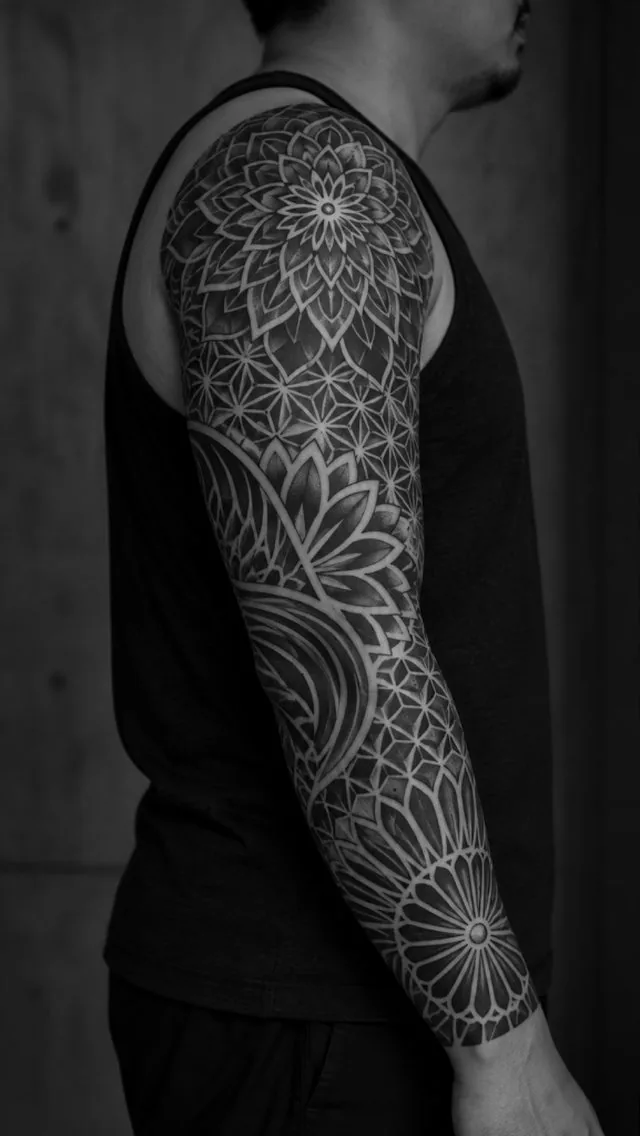
Does getting a tattoo hurt?
What a tattoo actually feels like, what makes it hurt more or less, and how to make your session easier.
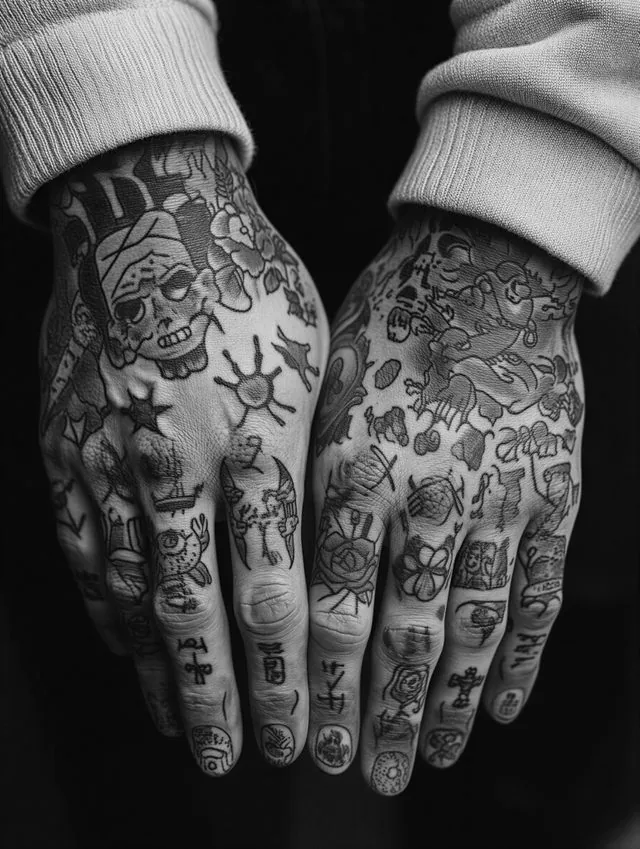
Honest answer: yes, a bit. But for most people it's far more manageable than they expect — and it depends a lot on where the tattoo goes and how you prepare.
What does it feel like?
Most people describe linework as a sharp scratch or a hot, stinging line, and shading as a duller, rubbing burn. It tends to be most intense in the first few minutes, then your body adjusts and it becomes a steady, background sensation.
What affects how much it hurts
- Placement — bony, thin-skinned and nerve-dense areas hurt more. See our pain chart.
- Size and session length — long sessions get harder towards the end.
- Style — heavy fills and color packing usually feel more intense than fine lines.
- You — sleep, stress, hunger and your own pain tolerance all play a part.
How to make it easier
- Eat a proper meal an hour or two before, and bring a sugary snack.
- Get a good night's sleep and arrive calm, not rushed.
- Skip alcohol for at least 24 hours beforehand.
- Breathe slowly and steadily — holding your breath makes it worse.
- Ask for short breaks. Good artists expect it.
- Bring headphones or a friend for distraction.
Thinking about numbing cream? Ask your artist first — some products change how the skin takes ink. If you take blood-thinning medication or have a health condition, check with your doctor before booking.
After the session
Expect the area to feel like a sunburn for a couple of days — tender, warm and slightly swollen. That's normal and fades quickly. Pain that increases after a few days, spreading redness or a fever isn't normal, so contact a doctor if that happens.