How much does a tattoo cost?
What goes into tattoo pricing, the common pricing models, and how to budget for your piece.
There's no single price for a tattoo — it depends on the artist, the design and where you live. But pricing follows a few predictable rules, and knowing them makes budgeting much easier.
What affects the price
- Size — bigger pieces take longer.
- Detail and style — realism and fine detail take more time than simple linework.
- Color — color packing usually adds time compared with black and gray.
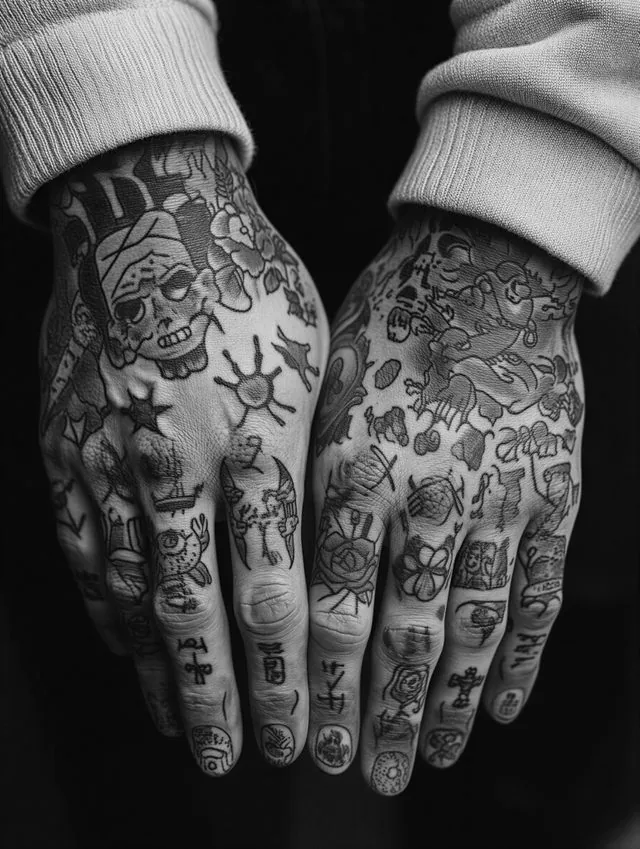
- Placement — tricky areas like ribs, hands or feet can take longer.
- Artist — experience, demand and reputation all affect rates.
- Location — prices vary a lot between cities and countries.
How artists charge
- Shop minimum — the lowest price for any tattoo, covering setup and single-use supplies.
- Hourly rate — common for medium and large pieces.
- Flat price per piece — common for small tattoos and flash.
- Day rate — for long, full-day sessions on big projects.
| Tattoo | Typical time | Rough cost (US) |
|---|---|---|
| Small & simple | Under 1 hour | Often the shop minimum, around $50–$150 |
| Palm-sized | 1–3 hours | Around $150–$500 |
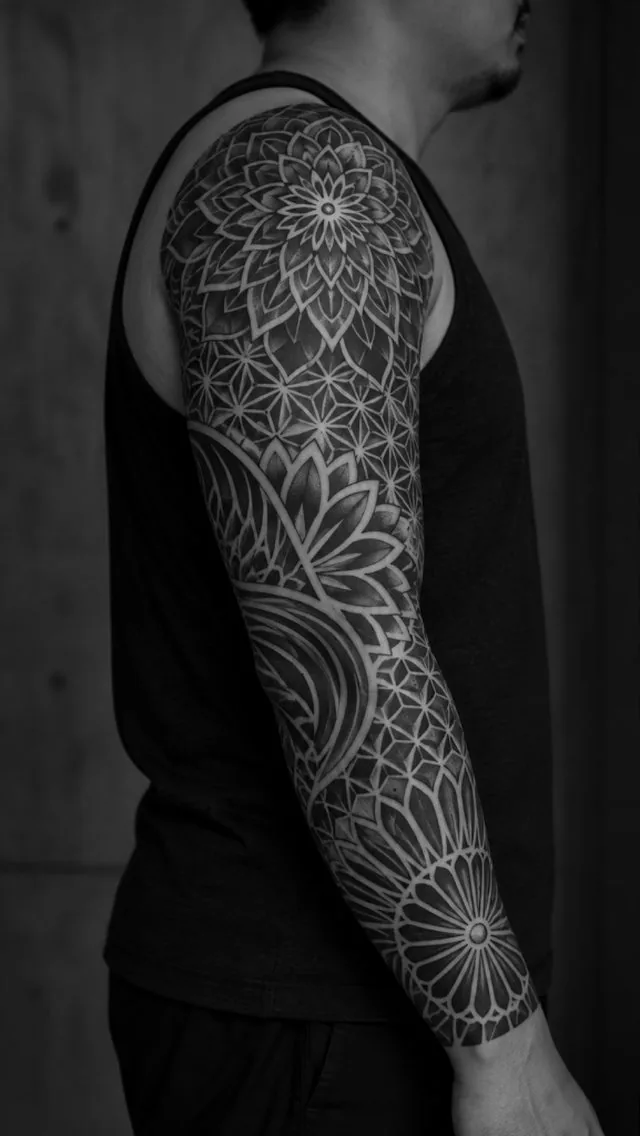
| Half sleeve | Several sessions | Often $1,000+ |
| Full sleeve or back piece | Many sessions | Often several thousand dollars |
These are rough ballparks only — prices vary widely by artist and location. Always ask your artist for a quote before booking.
Extra costs to plan for
- A deposit to book — usually taken off the final price.
- A tip — customary in some countries, including the US.
- Aftercare products.
- Touch-ups — many artists include one free touch-up within a set time.
Getting the most for your money
Don't haggle on price — negotiate on design instead. Simplifying detail, reducing color or choosing an artist's flash can bring the cost down. And arriving with a clear design (like one from Tatts) means less time spent drawing and more time tattooing.